


The Glamorganshire Canal was devised by the ironmasters of Merthyr Tydfil to transport their goods from the valleys to Cardiff. Construction of the canal began in 1790 and the final section that linked the Cardiff docks was opened in 1798.
The decline of the canal started in 1876 when competition from the railways affected its profits. The canal was sold to the Marquess of Bute in 1885 but traffic continued to decline and investment in repairs ceased. The Cardiff Corporation bought the canal in 1944 and declared it closed immediately. Complete closure wasn’t achieved until 1951 though.
For a full history of the Glamorganshire Canal, I recommend Stephen Rowson and Ian L Wright’s books, “The Glamorganshire and Aberdare Canals”. I have a copy of Volume 2, which contains loads of information about the canal at Tongwynlais and is a fascinating read.

Lock 41
This photo from around 1910 shows the lock keeper, Morgan Morgan, on the right. Directly behind him is the boat weighing dock. The weighing machine had been moved to Cardiff many years ago.

I recently acquired a map from 1920 that shows the area around Lock 41 in detail. The lock house and corn mill are highlighted in red. The path over the “lock tail” bridge continues onto Iron Bridge Road.
The weighing dock can be clearly seen diagonally opposite the corn mill.
You can explore an interactive map on the National Library of Scotland website.


Weighing Machine
Every Boatman to permit his boat, whether laden or unladen, to be weighed at the Company’s Weighing Machine, whether required by the Agent or Clerk of the Company, or the Lock-keeper at the Ton Lock.
GCC Bye Law No 39 4 June 1834
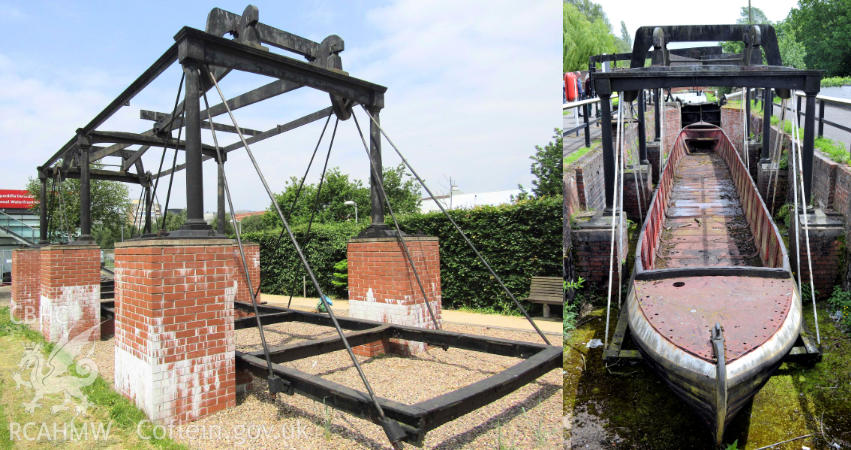
The weighing machine was in operation at Tongwynlais from 1834 – 1850. It was built by Brown, Lennox & Co of Pontypridd and was capable of weighing up to 40 tons.
It was dismantled and moved to Cardiff in 1850. After the final section of the canal was closed in 1951, the British Transport Commission put the machine in storage. It was eventually put on display at Stoke Bruerne Canal Museum in 1964.
The last surviving weighing machine in the UK was returned to Wales in 2013 when it was installed at the National Waterfront Museum, Swansea.
Samuel Coupe Fox
I shared some of Samuel Fox’s photos back in May. His collection also includes lots of photos of the canal.

This idyllic scene shows the lock house watching over the weighing dock and lock 41. The weighing machine had been moved to Cardiff by this point.
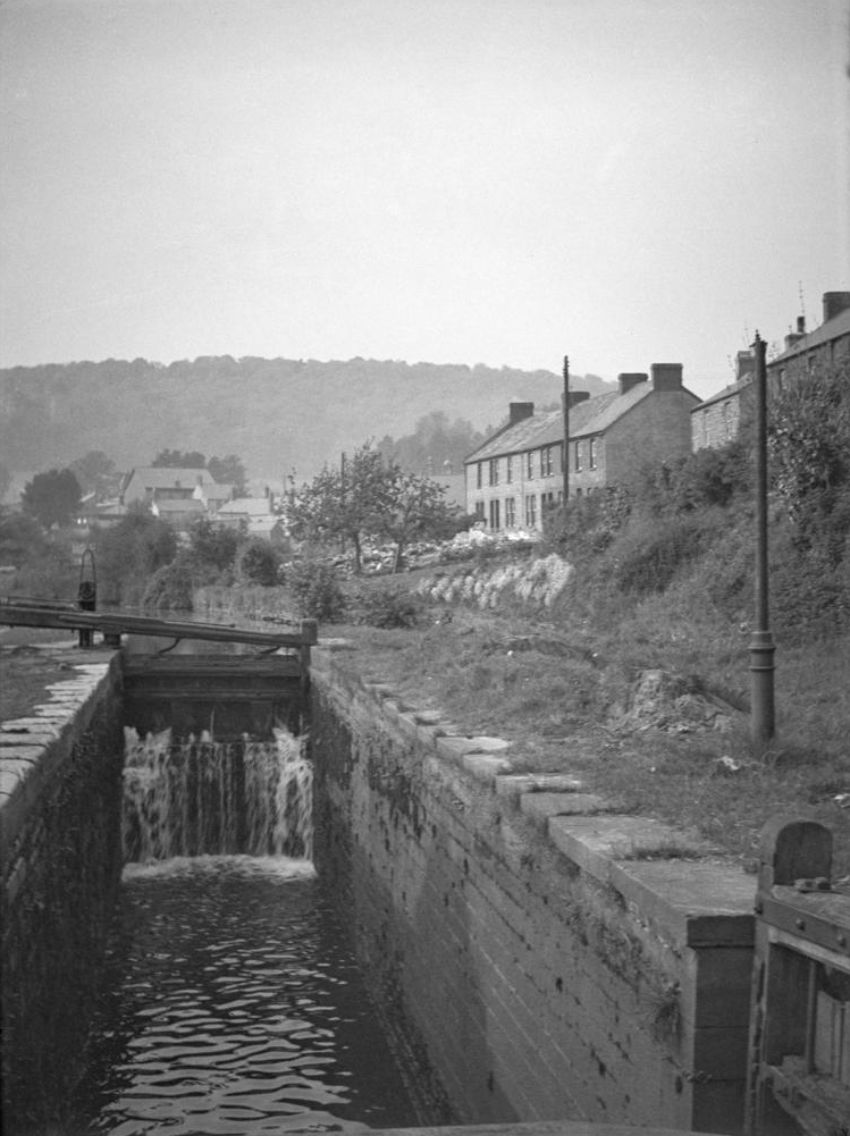
This photo shows the height of the lock as it’s being filled.

This view, south of the lock, shows the “lock tail” bridge and the disused corn mill. The canal further south is one of the only remaining sections that survives today. Large parts of the canal were filled in when the A470 was built in the 1970s.
Boat Markings
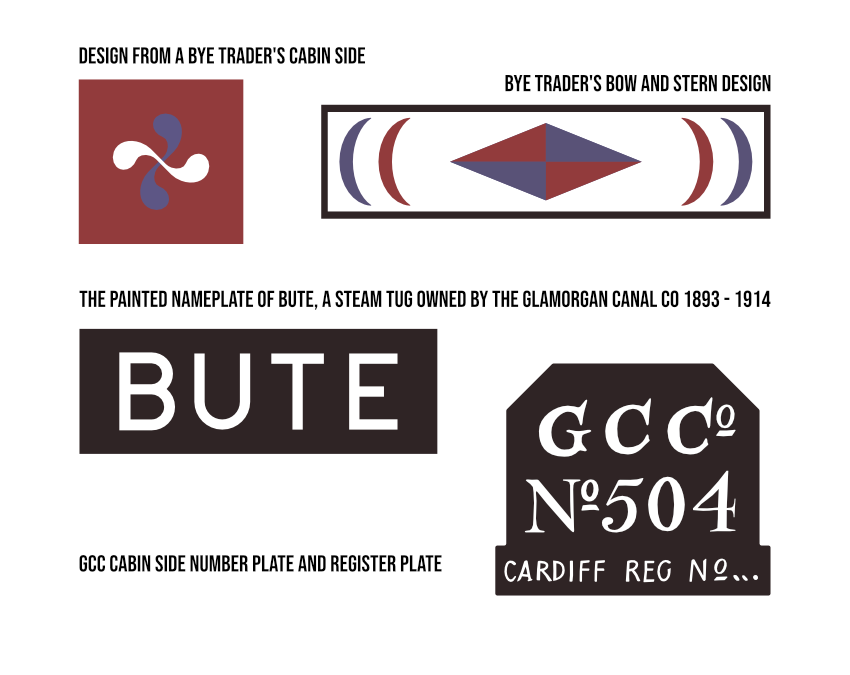
The Glamorganshire and Aberdare Canals book contains some drawings of boat markings that I found really interesting. I’ve reproduced a few examples below.
Links
- Friends of Forest Farm
- Canals playlist by Bob’s Rail Relics
- The Glamorganshire and Aberdare Canals Vol 2 from Amazon
- The Glamorganshire and Aberdare Canals from eBay
Sources
- The Glamorganshire and Aberdare Canals Volume II by Stephen Rowson and Ian L Wright
- Photo of Tongwynlais Lock 41 from the Stephen Rowson Collection
- Glamorganshire canal, Tongwynlais Lock No.41. Site of weighing dock, right – Museum Wales
- Glamorganshire canal, Tongwynlais Lock No.41. First (1830) position of weighing dock, right – Museum Wales
- Glamorganshire canal, Tongwynlais Lock No.41 – Museum Wales
- Weighing machine at the National Waterfront Museum, Swansea – RCAHMW

Wow Jack,
one of your most interesting posts Jack, so rich in history and so easy to visualise.
Thanks for all your hard work on this.
Haydn
Thanks for the great photos and history. One of my own families (‘Evans’ from 38 Mill Road, Tongwynlais) ‘folkore’ history is that my great grandmother travelled all the way from the West Midlands to marry my great grandfather who then lived in Taffs Well, and she did this entirely by canal boat. Well the folklore is that it was by canal boat (Great Barr -Birmingham area) , but more likely she travelled via the existing canal network and at some point got on a bigger boat down the Severn. Do you have any thoughts on how she might logically have achieved this in the c. 1860’s? Regards John S